The Elector Palace stood at the heart of the Imperial Capital—a colossal domed structure encircled by elegant white colonnades. Beyond the pillars lay a sapphire lake, its crystal-clear waters fed by underground channels drawing fresh flow from the Great River, forming a self-sustaining cycle. This sacred ground birthed and crowned every emperor. For imperial subjects, stepping inside meant ultimate honor.
Twenty robed ceremonial officers sounded their horns, heralding the Elector Conclave’s commencement.
First entered the Senate elders in traditional white togas crowned with olive branches. They filed through the left gate and took their seats. Next came the citizen representatives—all nobles, for commoners were barred from this hall. Dressed in flamboyant silks and velvets, they contrasted sharply with the elders’ simplicity, like a flock of peacocks strutting through the right gate to claim their benches.
Horns blared again.
Grand Elector Lucius ascended the podium. His wrinkled hand activated the jewel at its center. The gem rose slowly, radiating prismatic light. Gasps rippled through nobles and elders alike—many had never witnessed such magic. As the jewel spun, two of five empty slots on its base glowed with miniature gems; the other three remained dark.
“I declare the Elector Conclave begun,” Lucius’s voice boomed through the hall. “May the Heavens bless the Empire!”
“Heavens bless the Empire!” the assembly roared in unison.
A third horn blast echoed. The palace gates parted slowly. Down the crimson carpet walked the three jewel-chosen candidates. Leading them was a youth in silver armor, a crimson general’s cloak draped over his shoulders. Golden hair cropped short bristled like steel needles.
“Marshal Moura?” murmured voices. Nobles and elders exchanged hushed whispers.
“Silence!” Lucius commanded. The hall fell still.
Moura swept his gaze over the assembly, a flicker of contempt in his sky-blue eyes. He strode to his left-side seat, swept his cloak aside, and sat.
Next lumbered a potbellied middle-aged man in a gold-embroidered white toga, a gilded olive wreath perched on his head like a makeshift crown. His jowls and protruding belly screamed nouveau riche, especially as he ostentatiously hoisted his jewel high.
“Charlesman? Him?”
“That upstart—disgraceful!”
Nobles muttered while elders stayed silent. This upstart had donated heavily to the Senate; many suspected backroom dealings secured his candidacy.
Charlesman plopped onto his seat, waving jovially at his noble supporters. Rival factions wore openly mocking smirks, but the oblivious man beamed.
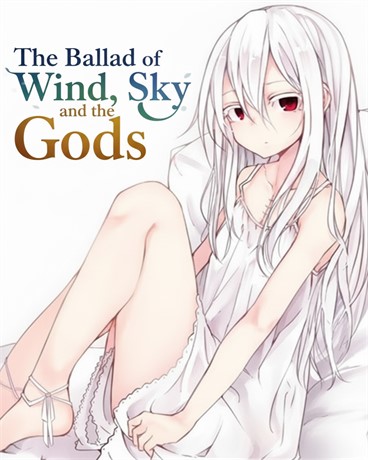
Then the third candidate entered. From the moment she crossed the threshold, every eye locked onto her. A girl of fourteen or sixteen, skin luminous as snow, silver hair shimmering with otherworldly grace. Her crimson eyes held a maturity beyond her years. A Nordic-style gown traced her slender frame. Barefoot, the foreign princess glided to her seat and settled with poised elegance.
Lucius cleared his throat first, subtly chiding the assembly for their blatant stares.
“Per protocol,” he announced, “the candidates will introduce themselves.” He gestured for Moura to begin.
“Hmph.” Moura stood, armor plates scraping. He strode to the podium, facing elders, nobles, and his rivals.
“I am Marshal Moura of the Empire,” he declared, blue eyes sweeping the crowd. “I command three legions in the Eastern Campaign. I will bring the Empire wealth and slaves. Expect results.” He returned to his seat without flourish.
Charlesman scrambled up next, his gilded slippers slapping against marble as he waddled forward. He beamed at the podium.
“I am Charlesman Northberg of the Southern Farmlands,” he announced. “My estates produce the finest olive oil—sample some if you wish! I seek only the Empire’s prosperity. For our shared interests, I ask your support.” He bowed deeply, grinning as he reclaimed his seat.
All attention now fixed on the silver-haired girl. She rose gracefully, though her steps stiffened with nervousness. Moura’s eyebrow lifted slightly—he noted her steady gait, betraying rigorous combat training.
“Greetings,” she murmured, bowing lightly. “I am Mio, from the Northern Lands. Once called Theresa Lohengrin, daughter of King Reynard. My homeland fell. I renounced my name and entered the Empire as a free citizen. If permitted… I wish to withdraw from this selection. Thank you.”
She bowed again. Descending the podium steps, she tripped on her hem and stumbled onto the red carpet. A collective gasp filled the hall.
Mio scrambled up, rubbing her knee, cheeks burning. *Ruined it again. I’m hopeless at formal events.* Lucius rushed over, gently lifting her hand and brushing dust from her gown like a doting grandfather.
“Thank you,” Mio whispered, bowing again.
“Raise your head, Your Highness,” Lucius said softly. “The jewel chose you. That marks you as noble enough to rule an empire. Trust yourself.”
“Thank you,” Mio nodded, returning to her seat.
Lucius reclaimed the podium, his aged face strangely alight.
“Next phase: policy declarations. Open forum. Marshal Moura, you first.”
Thunderous applause. Moura rose reluctantly.
“I have one point,” he stated, the hall falling silent. “The Empire drowns in poverty. Slave shortages cripple our harvests. Labor vanishes everywhere. Second-generation slaves shirk work; new captives dwindle. Solution? Accelerate the Eastern conquest. Secure slaves. With slaves, the Empire prospers forever. Therefore—as a soldier—I say: Conquer! Conquer! Conquer again! Push our borders to the sky’s edge!”
His fiery speech ignited roaring applause. Moura settled back, cloak flaring.
Charlesman rambled next about commerce god Lakond’s blessings. Mio stole glances at Moura—brows furrowed, distant. Understandable: with eastern frontlines blazing, recalling the supreme commander for this ceremony was terrible timing.
“Third candidate: Mio.”
Her name snapped her upright. The earlier stumble had eased her nerves. She steadied herself at the podium.
“Honored assembly,” she began, voice calm, “though not born of this Empire, I’m humbled to stand here. Traveling from the Northern Lands to this capital, I’ve seen your struggles. The Empire’s core crisis? Crippling inefficiency. Root cause? Overreliance on slave labor.”
Murmurs spread. Neither elders nor nobles had grasped this. Even the wisest minds couldn’t see beyond their era—but Mio hailed from a society that had industrialized. She perceived what they could not.
“Example,” she continued, locking eyes with the crowd. “Slaves sabotage tools—plows, hoes. They shirk work, as Marshal Moura noted. You punish them. You issue cheap stone tools. But metal implements could triple farm yields. Yes, we lack laborers. Your answer? Conquer barbarians for more slaves. But why not boost productivity of existing workers?”
“How?” challenged a noble. “Slaves break tools on my farms daily. I’ve whipped them. Hanged ringleaders. No change.”
“Thank you for the question,” Mio nodded. “First: what is the world’s most vital asset?”
“Gold?” “Slaves?” “Power?” came scattered replies.
“None.” She tapped the floor. “Land. In this age, land is life. It grows food, builds homes, founds cities. Without it, we perish. Those who hold land control production. They generate endless wealth.”
“What’s this to lazy slaves?” another noble pressed.
“Precisely why I offer the Empire a gift,” Mio said smoothly. “Serfdom.”
Chaos erupted. The Empire had no such term—she’d fused “agriculture” and “slavery” to forge it.
“As I said,” she pressed on, “landowners control this era’s key resource. For millennia—until industry dawns—land remains supreme. The question is: how to make those living on your land create wealth *for you*? Today, they’re slaves. Your property. Like your fields. But because they own nothing, see no reward for labor… why would they work hard?”
Several elders nodded slowly. Nobles fell thoughtful. Even Moura, who’d feigned disinterest, arched an eyebrow, listening intently.
"This requires an incentive mechanism," Mio said. "In other words, let slaves own property and enjoy part of their labor's fruits. That's the core of serfdom." She continued, "Try announcing slaves can keep a portion of their produce. For example, if a slave harvests five sacks of wheat, he keeps one as his property. The rest goes to the master as 'rent' for land use. He can eat it or trade it. If he harvests ten sacks, he keeps two. His life improves with hard work. He might even become self-sufficient, needing no master's provisions. To live better, he'll work harder. He'll cherish his tools and use them fully. This solves deliberate tool damage and low efficiency. Limited private property incentivizes labor. But he remains a slave. He can't leave the land freely, ensuring your population stays."
"This is serfdom," Mio said, smiling at the audience. "It sits between feudalism and slavery. You boost productivity without freeing slaves. They create more wealth, making the empire prosper internally. No need for frequent wars to capture labor. Future wars will expand territory, seizing land, not people. In this era, humans can't abandon land. Fleeing means losing livelihood and survival." She looked at Moura. "So, incorporating barbarian lands and their people into the empire is far more effective than just capturing slaves."
Clap, clap, clap. Applause broke the hall's silence. Mio glanced in surprise—the first clapper was Moura. Her views clashed with his, yet he endorsed her idea. Scattered applause followed, swelling into a torrent. Everyone clapped, including Arch-Elector Lucius.
"That was brilliant, Your Highness," he said, taking Mio's hand. "Your idea is a perfect remedy for the empire's urgent crisis. I believe no one here will oppose this policy. Your speech was excellent. Serfdom can bring wealth to us and the empire. Though it has risks and minor flaws, it's a solid reform framework."
"Thank you for your praise," Mio said politely, bowing before returning to her seat.
A sharp gaze shot from the right. Mio glimpsed Charlesman glaring at her. His portly body trembled slightly, seemingly furious. Meanwhile, Moura smiled at her. He sat with arms crossed, patiently waiting for the end.
Mio let out a sigh of relief. The Electoral process would last seven days. The first day seemed safely passed.