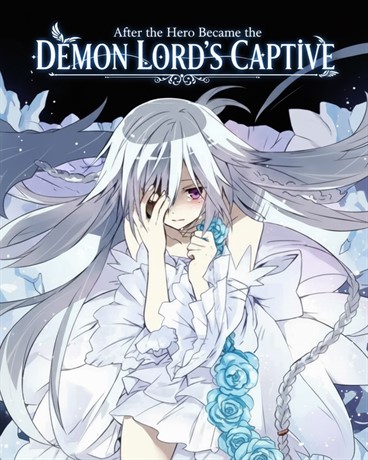
Ostdan Continent was a near-circular landmass, standing like a jade gem amidst sapphire seas. Humans, Beastkin, and Elvenfolk each claimed their territories, coexisting in relative peace. Beyond the continent’s edge lay a peculiar race—the Demonic Race. They dwelled behind the Kalarazat Great Forest, said to be the ancient battleground of the Human-Demon War.
Bleached bones of fallen warriors nourished the forest, turning it into an impassable barrier between the two races. Legend claimed this was the Goddess’s will—to end the war by raising trees from human remains. Thus, Kalarazat Great Forest earned its other name: the Land of Wailing. Woodcutters often heard bone-chilling cries echoing through its depths.
No one knew the true origin of Demon Castle. Only this was certain: its first master was an ancient noble, a dark sorcerer.
The continent’s power systems were simple—Elemental Magic and Frenzy. Elemental energy had existed since the dawn of Ostdan; both humans and demons could sense its abundance. Water elements thrummed in rivers and springs; fire elements pulsed within lava and coal. All things held their essence, weaving the world’s fabric.
Frenzy differed entirely. Born from human blood, it surged through any body with a strong heart, amplifying strength. Thus, most commoners became warriors, while mages remained rare—elemental affinity was a gift few possessed.
Demon Castle was once the estate of Count Dracula. Time and vampire hunters erased its memory. Though immortal, Dracula fell to hunters’ blades. His castle stood empty, his daughter Lea sealed within a stone coffin.
A century later, a mysterious girl rebuilt the castle alone. They called her the Dark Lord.
Nestled in Ostdan Empire’s northern Kalarazat Great Forest, Demon Castle drew the Church’s wrath. Every decade or so, the Church launched assaults—always futile. They threw wave after wave of "heroes" at its gates: elders, children, wounded soldiers, anyone deemed expendable. Refusal meant execution for treason. These souls marched with death in their hearts. Armies of hundreds of thousands would charge the castle. Merciful heroes sometimes freed them in nearby Beastkin towns. This madness was called the Holy War—a tool to cull the poor and control populations.
Heroes were typically noble warriors or mages, masters of weapons or spells. To curb powerful families, the Crown and Church sent them to die in Holy Wars. Nobles lived in luxury but bled first in battle. Refusal meant annihilation of their bloodline. From birth, nobles were brainwashed: *Hate the Empire’s enemies. Die gloriously to destroy them.* Thus, the Dark Lord became their ultimate nemesis.
The Church, Ostdan’s state religion, worshipped the Victory Goddess. Its Pope wielded more power than the Emperor. Eight bishops governed four branches: Black Bishops hunted heretics; Red Bishops commanded the Church Army; Blue Bishops led the Holy War Corps; White Bishops oversaw the Paladin Guard. Once virtuous, the Church rotted over centuries. Only the White Bishops upheld their original oath. The others grew greedy and cruel, looting wealth and scheming to devour the White faction. Forced to defend itself, the White Church raised the Paladin Guard, waging silent war against its corrupted kin.
Kalarazat Great Forest dominated Ostdan’s north, swallowing a fifth of the continent. It split the land cleanly in two. None had ever crossed it. Reasons were simple: its vastness starved travelers of supplies, and Demon Castle’s guardians ensured no one survived the journey.