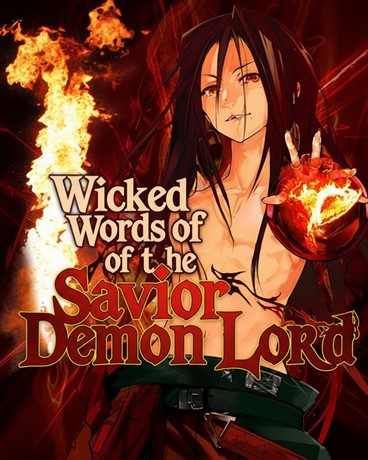
Silver Calendar xxxx, November 28: the Time Ruins foretold by Savior Demon King Andor surfaced, like a scar opening in time.
Andor held back the first tide of Outer Gods like a seawall against a black storm, and ordered his retainers to repel the beasts.
Silver Calendar xxxx, January 3: the lords who signed the Peace Conference pact took over the Time Ruins front, step by step, under wary watch.
They saw across the rift what monsters crouched there—each one a legend’s centerpiece, like mountains walking.
So they issued the famed Hero Call, a banner raised to summon wandering Heroes to join the line against the beasts.
That same day, Abaddon, Dragon King of this age, commander of the “Forest of Steel” warband, led the world’s strongest host.
And Porphyrina, Grand Knight-Captain of the Aerian “Shield of Holy Light,” marched beside him, like twin banners in a rising gale.
They moved into the Time Ruins and made camp, like steel roots gripping blasted earth.
They staked life and honor as twin torches.
They battled the mindless beasts of chaos without rest.
And they held the border of human civilization like a blood-stained rampart.
With the Divine Being’s counsel, some smiled and agreed, like reeds bending in wind.
Some refused outright, like blades drawn against the rain.
Humans kept their own stubborn fires, their own wishes, and the Divine Being granted them that.
And the Divine Being offered only gifts to Heroes who wouldn’t look on a not-so-beautiful new world.
A resting place buried with the old era’s glory and pride, like flowers laid on a tomb.
A Hero’s ending—just this, nothing more, like a candle guttering at dusk.
Silver Calendar xxxx, July 19: the Time Ruins—nightmare and funeral rite entwined like smoke with incense—finally sealed forever after ten long years.
From then on, the Great Ones above the Starry Sky Divine Kingdom had no more words to gift the mortal world, like stars falling silent.
Across those ten years, Heroes went one after another like ships into fog. None returned.
History called it:
Ten Years When Glory’s Blood Ran Dry.
——————
Afterward, another Divine Being, uneasy about the mortal world, descended as a saint.
To guide humans who no longer saw Demon Kings or Divine Beings, like a lantern raised in fog.
Saints walking the world did evil, or wrought good, like knives and balm in the same hand.
The lord of Endless City, neighbor to the Hero Academy, dreamed up oddities like fireworks at noon.
And there were tales of Heroes and anti-heroes, loyal ones and traitors, monsters and beauties—like mirrors facing mirrors—
That’s another story.
So listen to the storyteller, eyes closed, letting words flow like a brook in moonlight.
——————
There was a knight named Robin Toscana; maybe his blood runs in your veins like a warm thread.
He served the vanished Venerei Kingdom as Grand Knight-Captain of the royal “Black Thornflower” Order, like a hawk under a dark banner.
Yes, that lost nation—you’ve likely seen its name in dusty chronicles.
No? Hmm—like a pebble dropped into a deep well.
Then let’s begin with “a long, long time ago,” and treat it as a lost legend a storyteller carries.
A puzzling fairy tale, a story true and untrue, like mist around old stones.
Who knows if it’s real? I’m a trickster, only good at telling tales, not at lifting your history grades, like a fox laughing behind a fan.
He spent his life righting wrongs, like a blade flashed for the weak.
Oh, the music’s about to start, children—so let’s skip the beginning and middle, and speak the ending straight, like a bell struck once.
He died to protect the world, like a shield cracked under a storm.
No, he never rose to that world-saving Hero tier, no honor of “named among the multitude.”
Eiya, nor was he some nameless footsoldier, some small fry.
In your heads, is it always just Hero or mook, like black or white stones on a board?
But he was a Hero, truly, like a steady flame cupped in two hands.
On the “Eternal Obelisk,” third tier, name number 61,237: Robin Toscana, like a grain etched in granite.
Some carried pride in his name like a crest on the breast.
No one shed tears for his death, like dry leaves skittering past a grave.
That was the ending he wanted—at the sweet dusk of that era, a funeral that pleased him, like a boat pushed off a quiet lake.
Maybe that counts as a kind of “happiness,” like sunlight on closed eyes.
You ask why?
Eiya, eiya, children—you probably won’t understand, like seedlings staring at mountains.